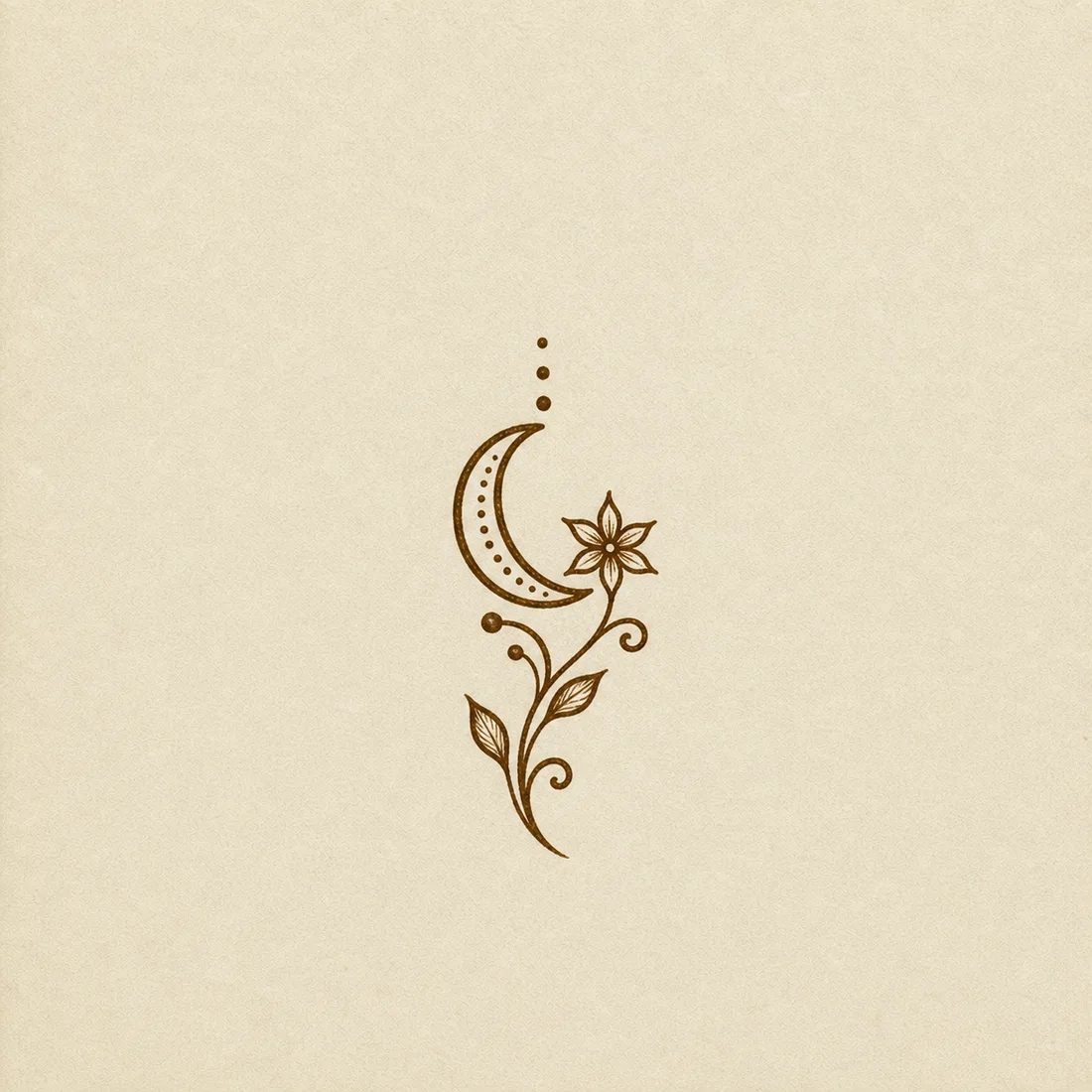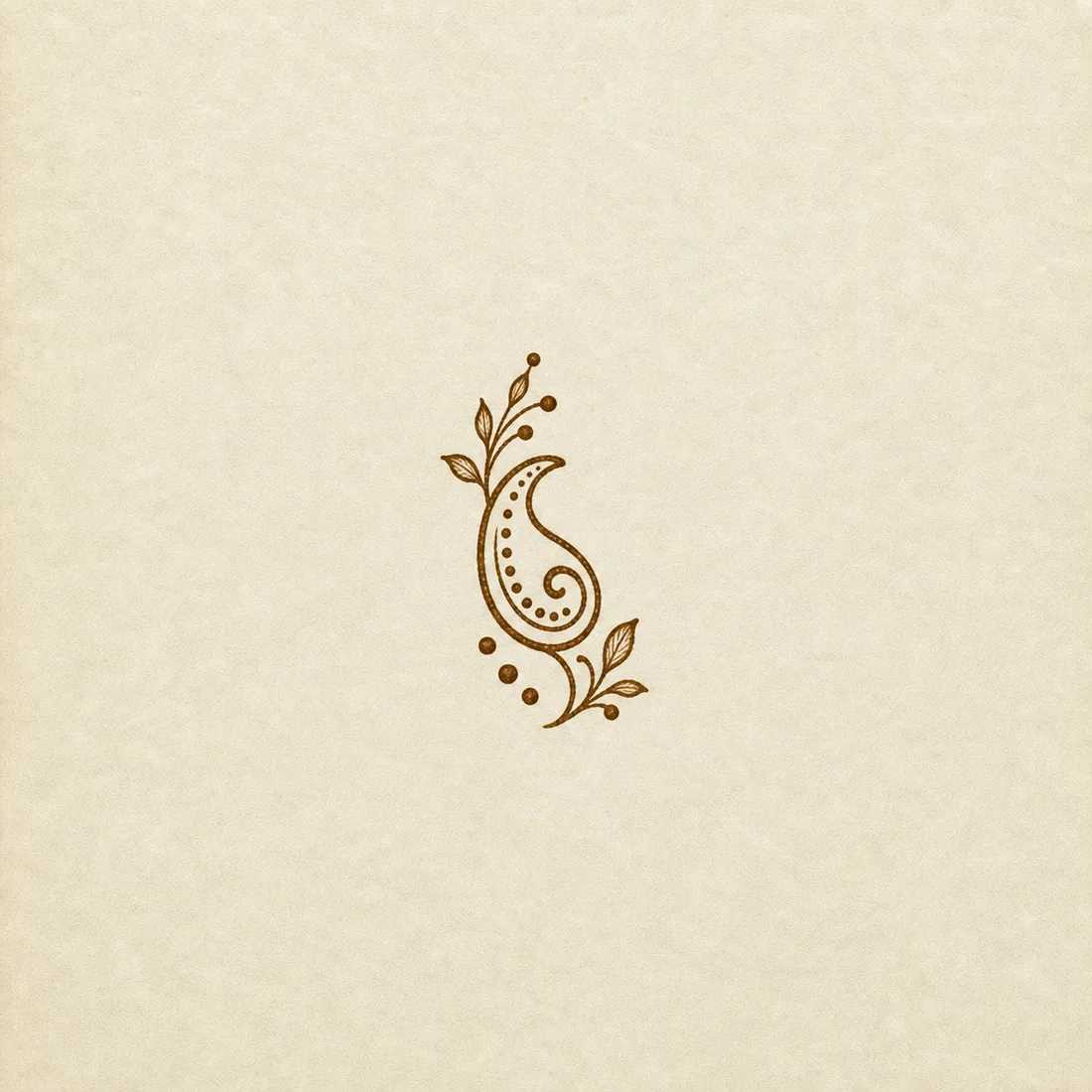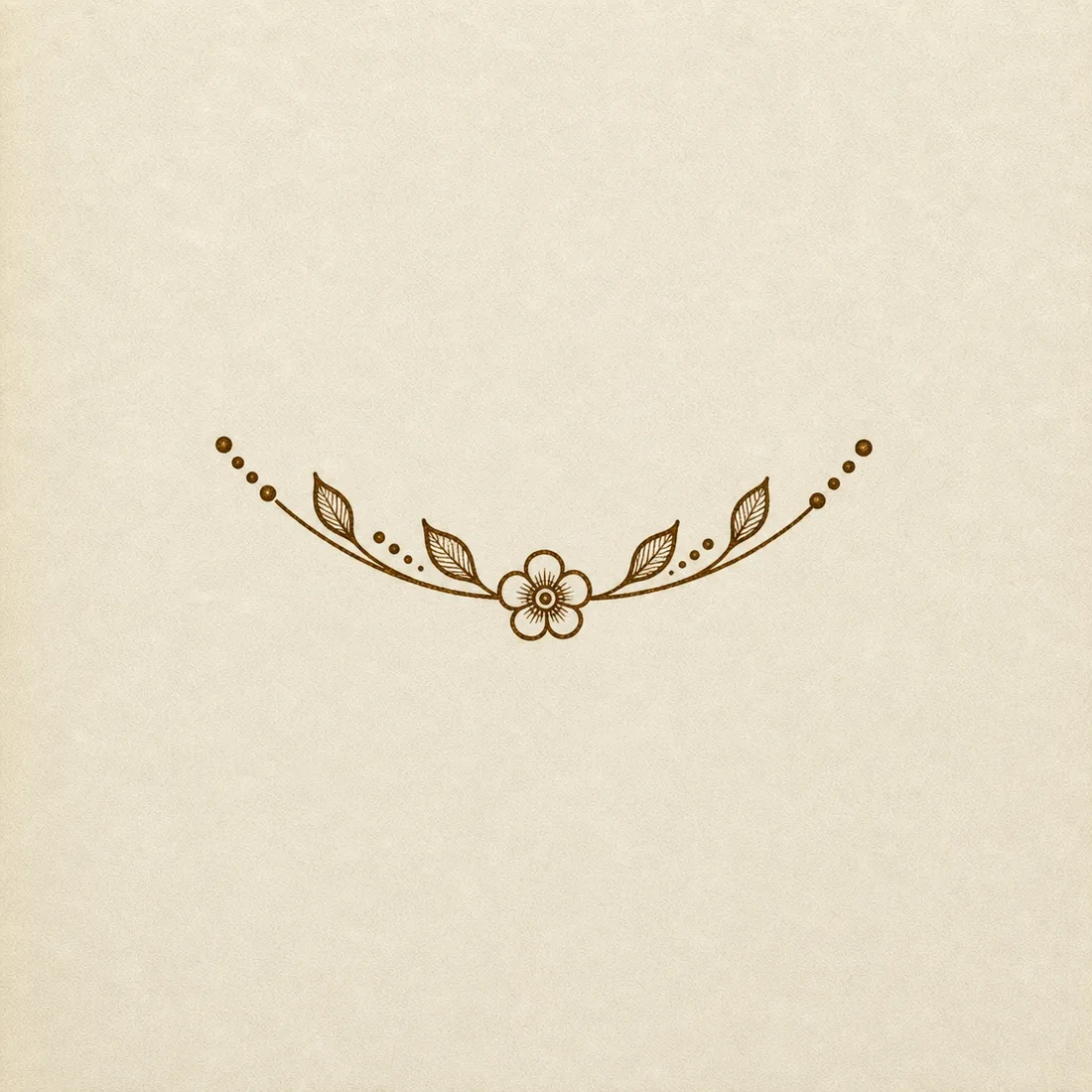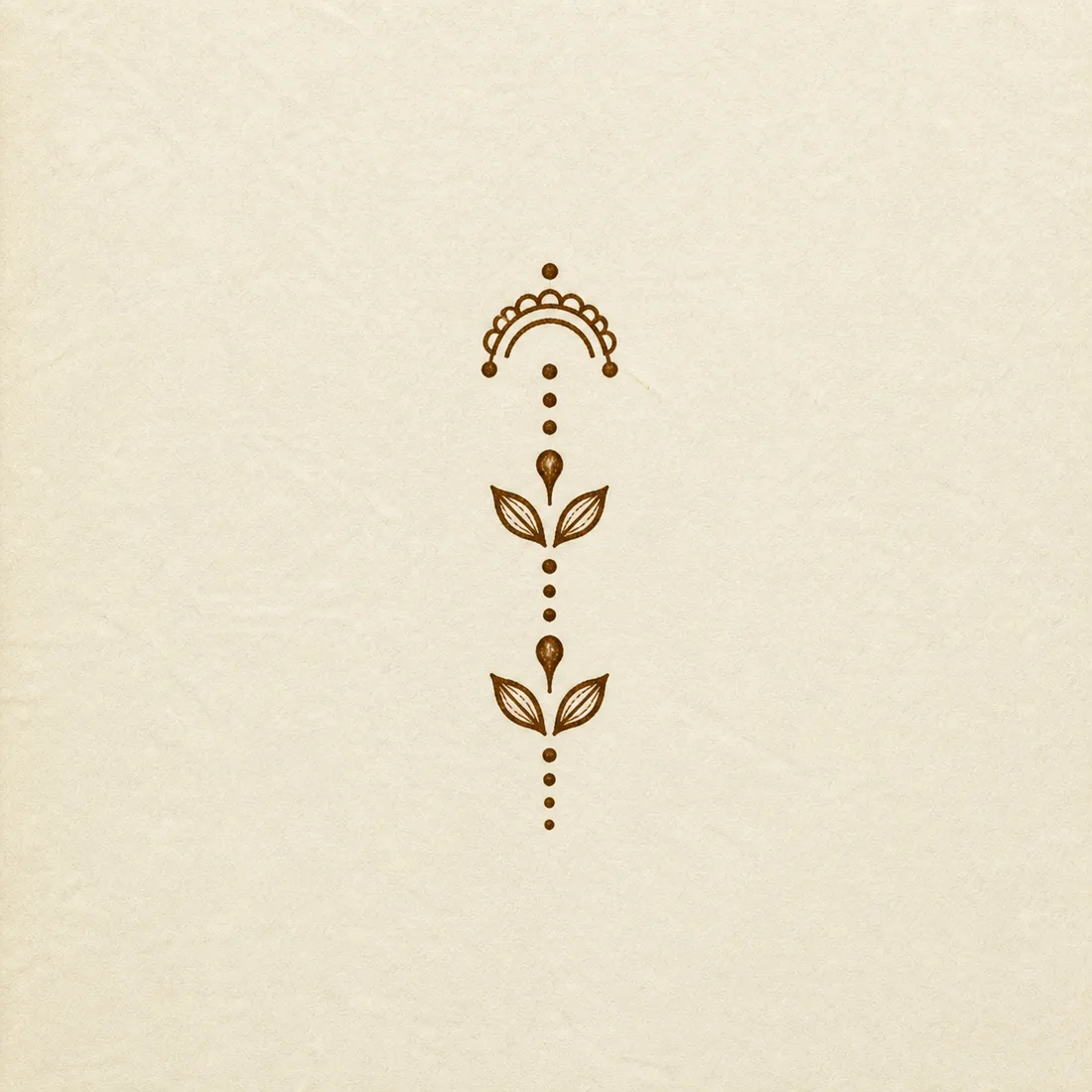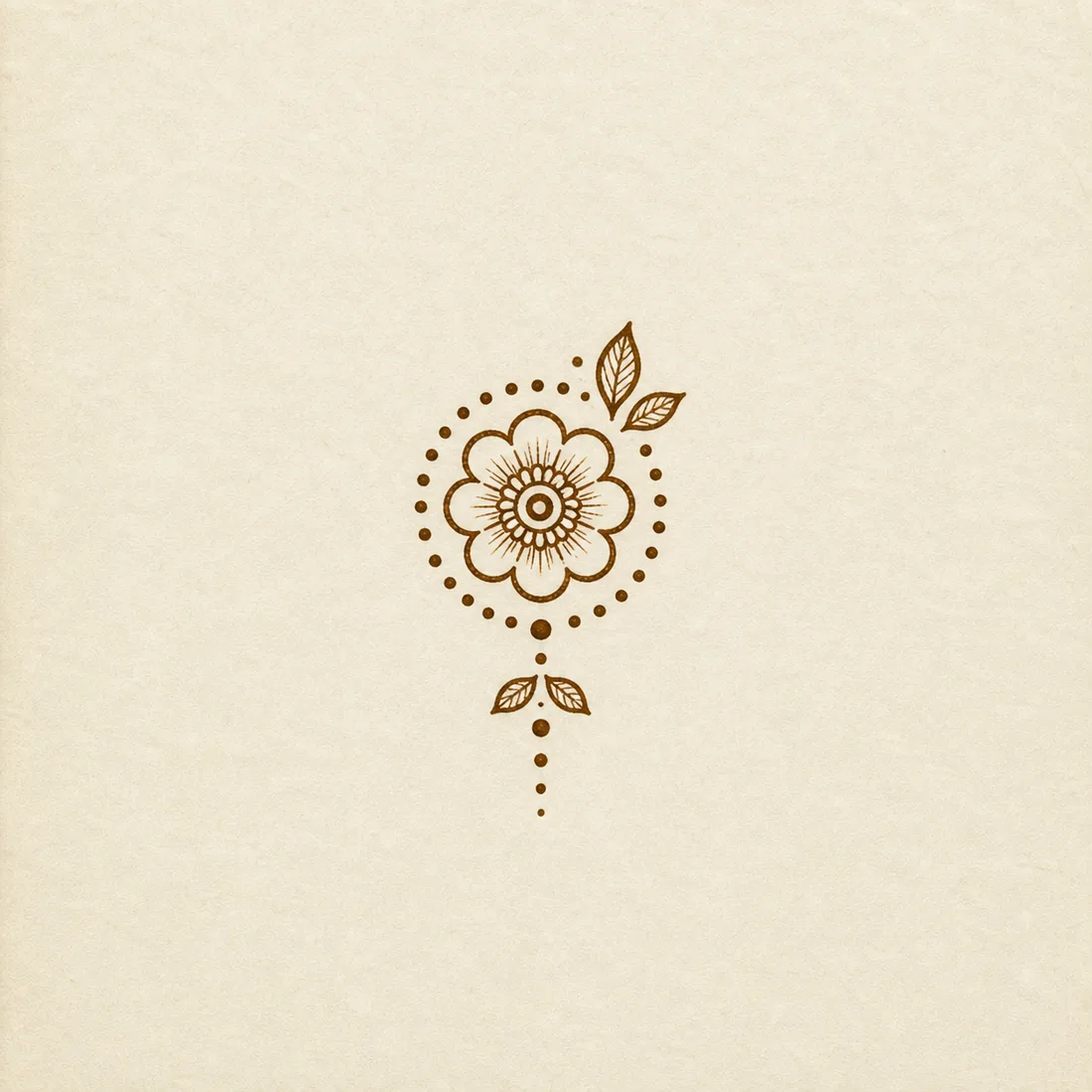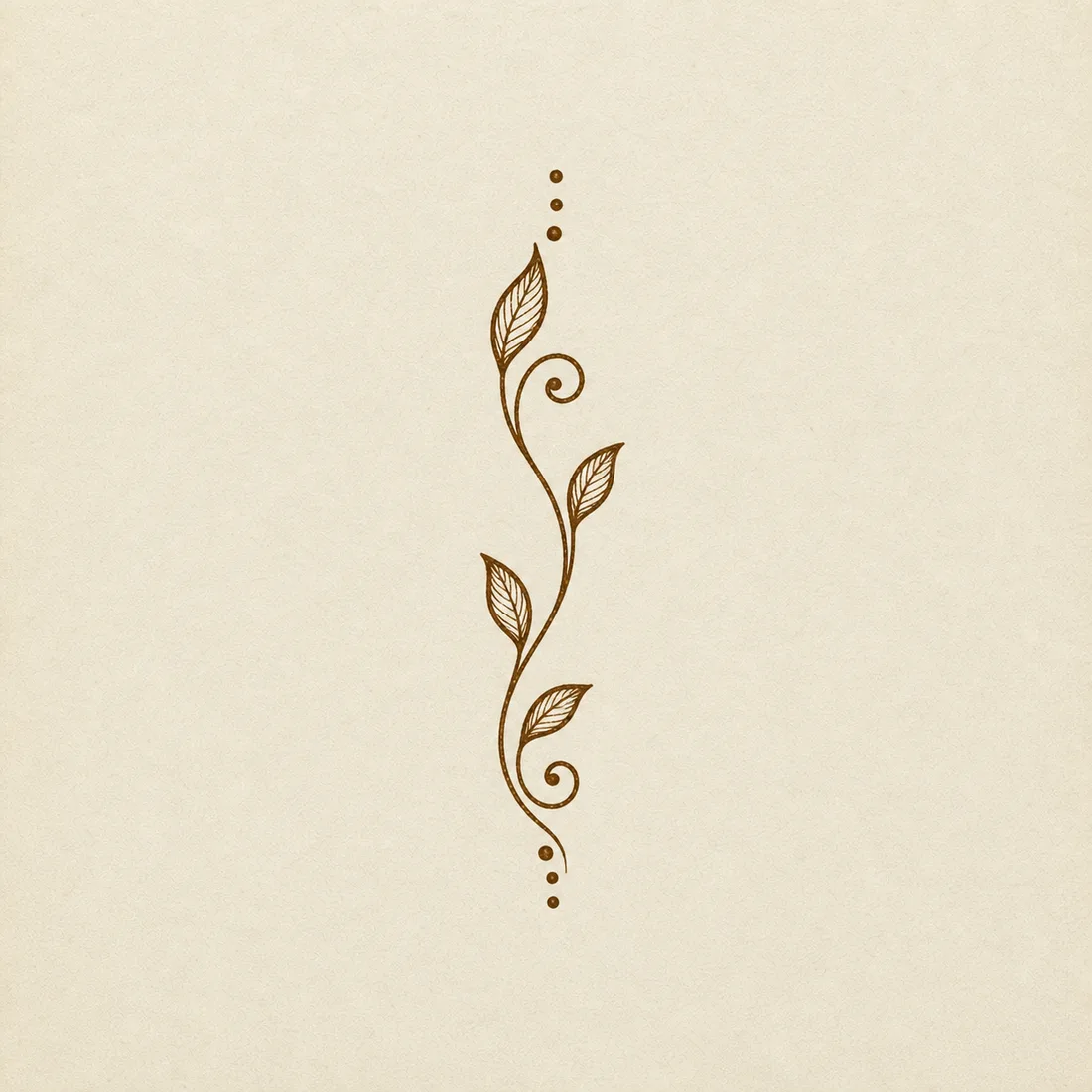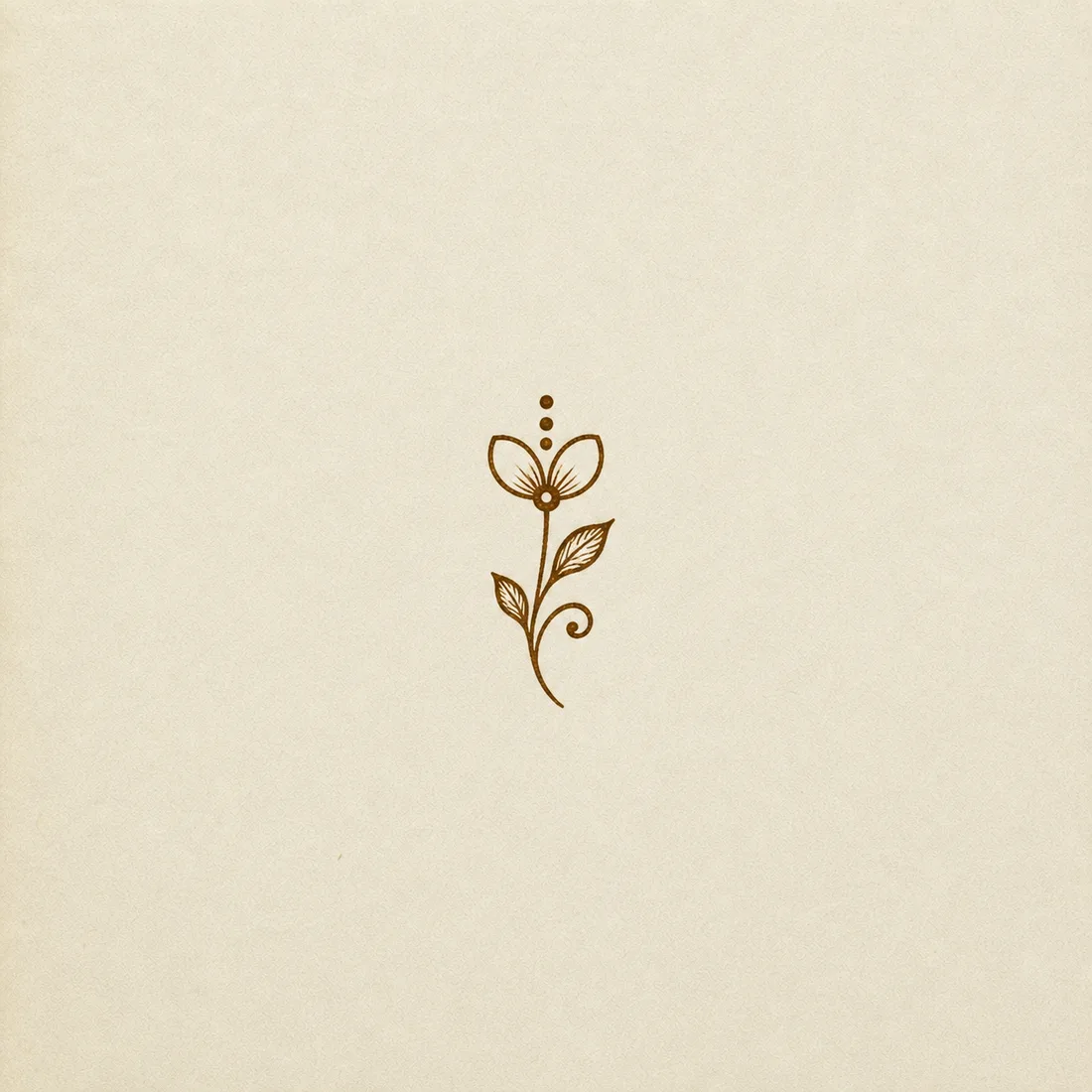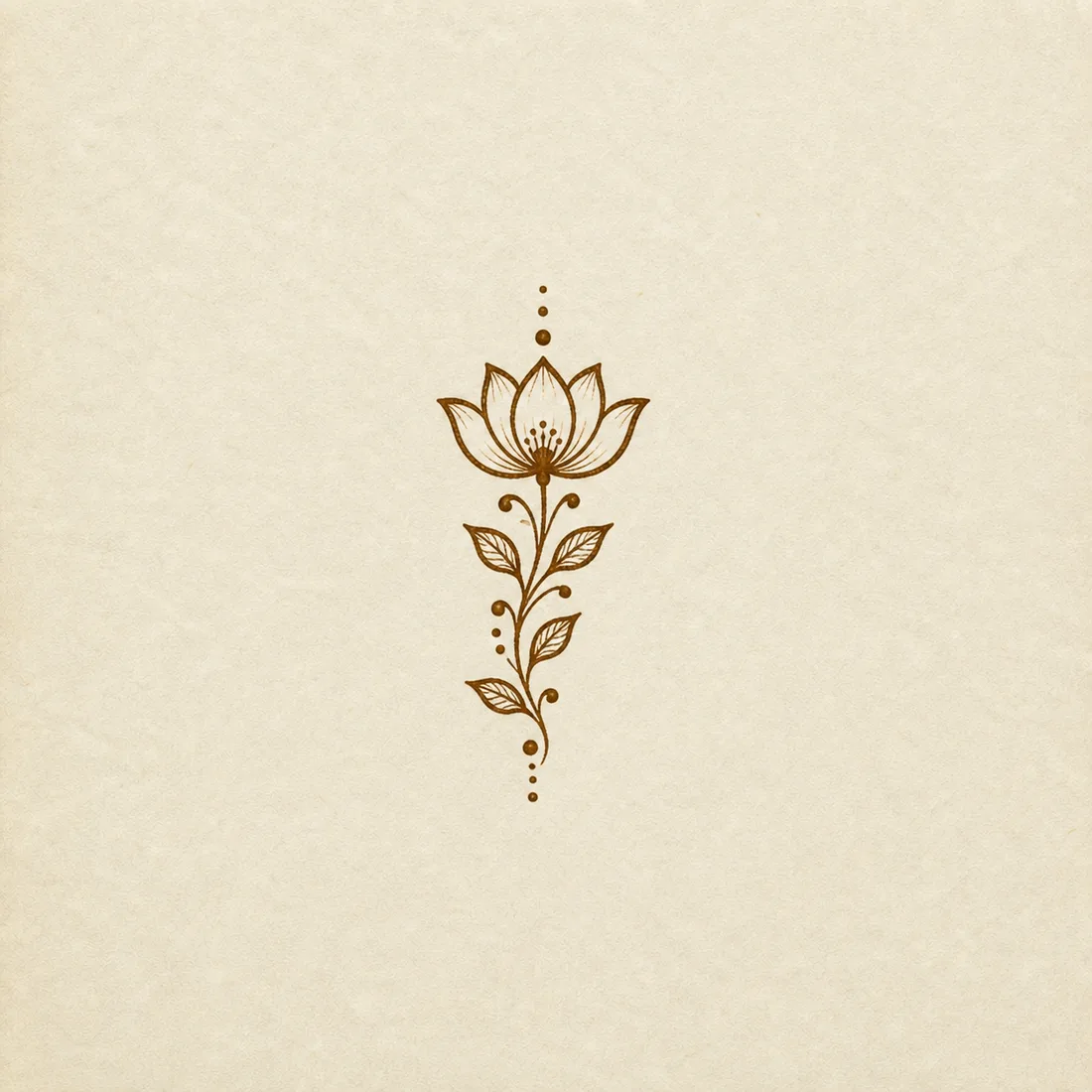
Minimal henna designs work because they leave space. Instead of full-hand coverage, these templates use one clear motif, a short line, a few dots, and enough blank area to feel intentional.

Use this page when you want a small design for the wrist, finger, back hand, or a practice sheet. The patterns are designed to be easy to copy and easy to simplify further.

How to choose a minimal design

  • Pick one main motif instead of combining many elements.
  • Leave blank space around dots and leaves so the design stays refined.
  • Use tiny wrist or finger motifs when you need a quick design.
  • Stop before adding extra fill; minimal henna depends on restraint.

Practice sheet

Use this gallery as a paper practice sequence

Start with Template 01, copy the larger shapes first, then add dots, leaves, and small fills after the main linework feels steady.

Minimal notes

Questions about minimal henna designs

What makes a henna design minimal?

A minimal henna design uses fewer motifs, cleaner lines, and more blank space instead of dense filling.

Where do minimal henna designs look best?

They work well on fingers, wrists, back hands, and small side-hand placements.

Are minimal designs good for beginners?

Yes. They are easier to copy because they use fewer elements and make small mistakes less noticeable.