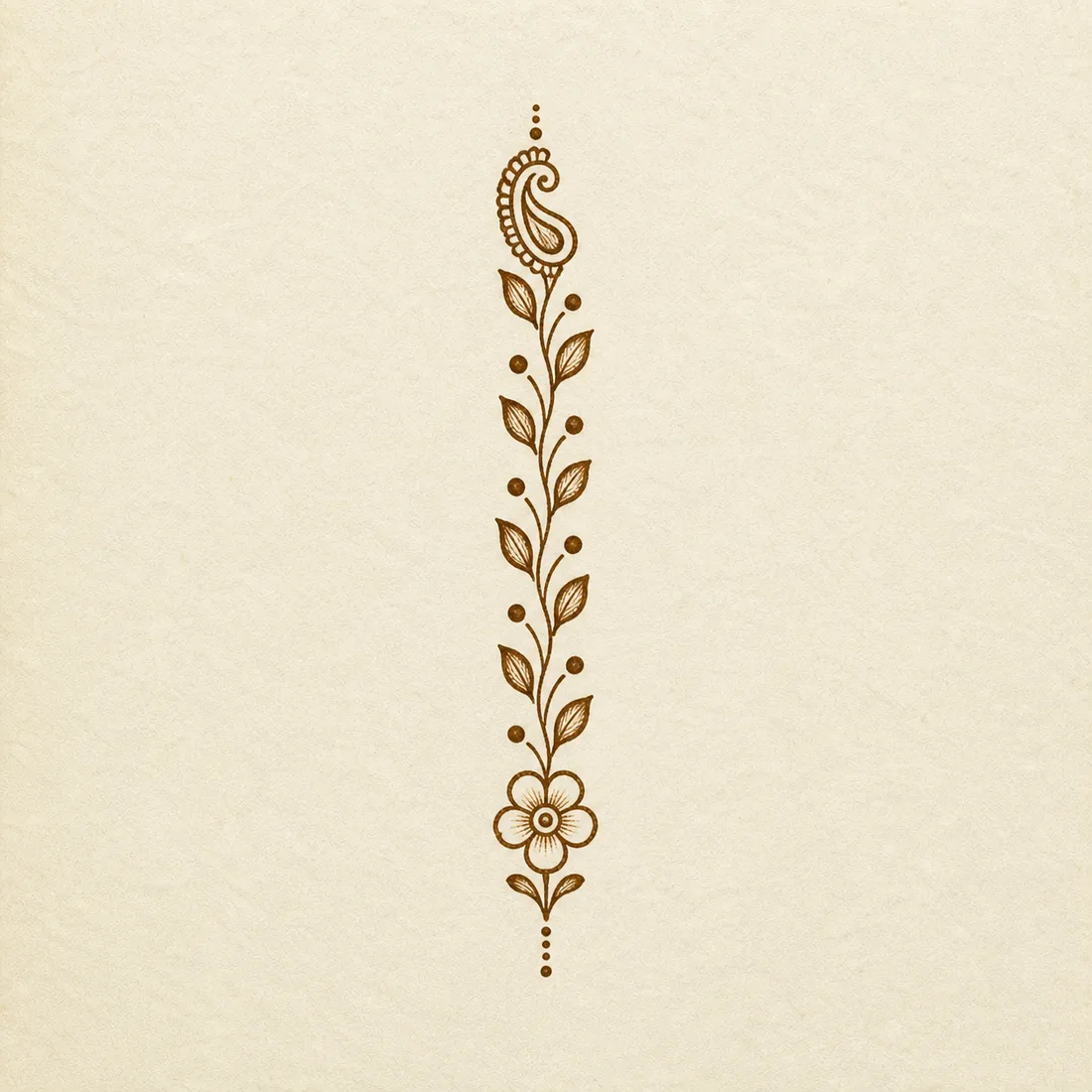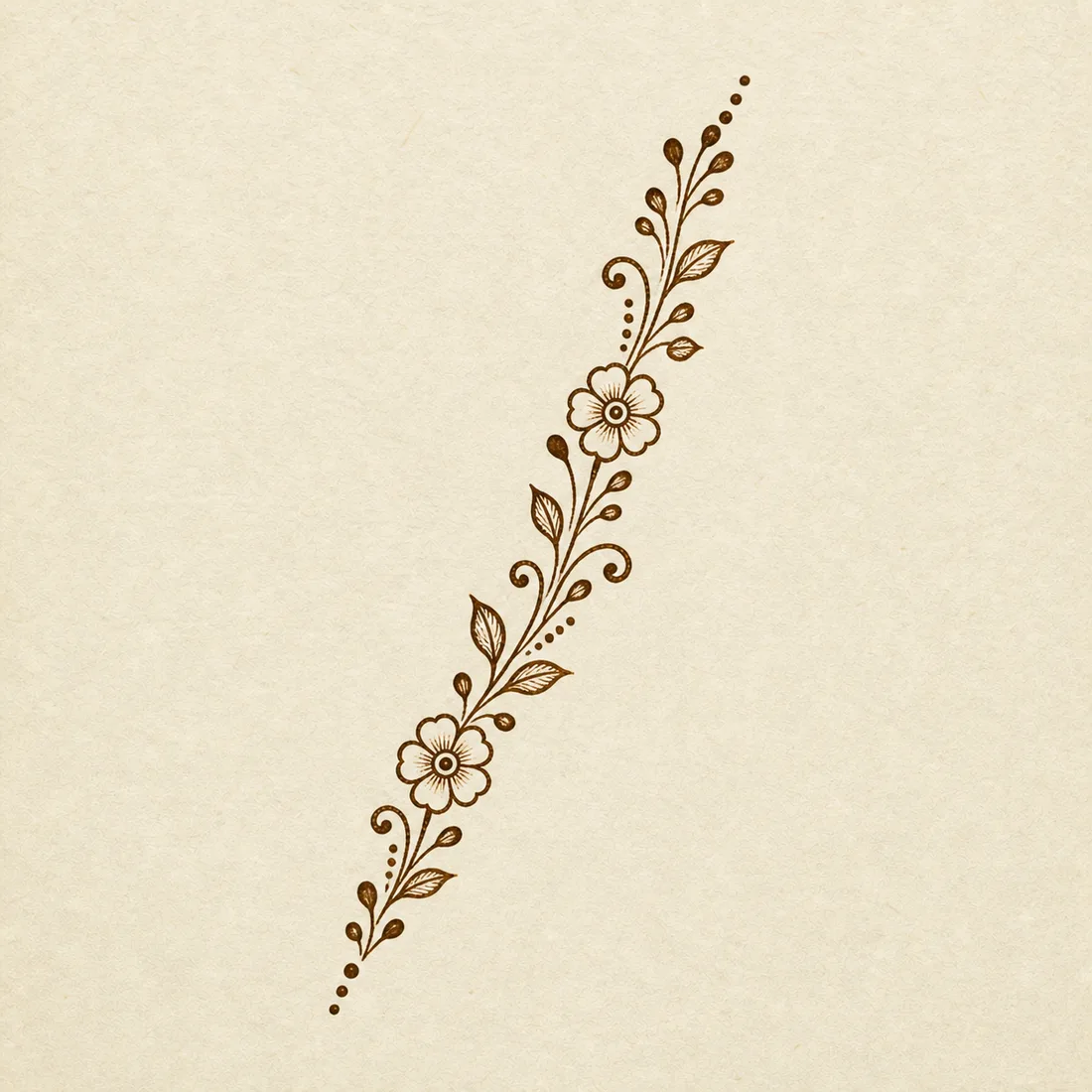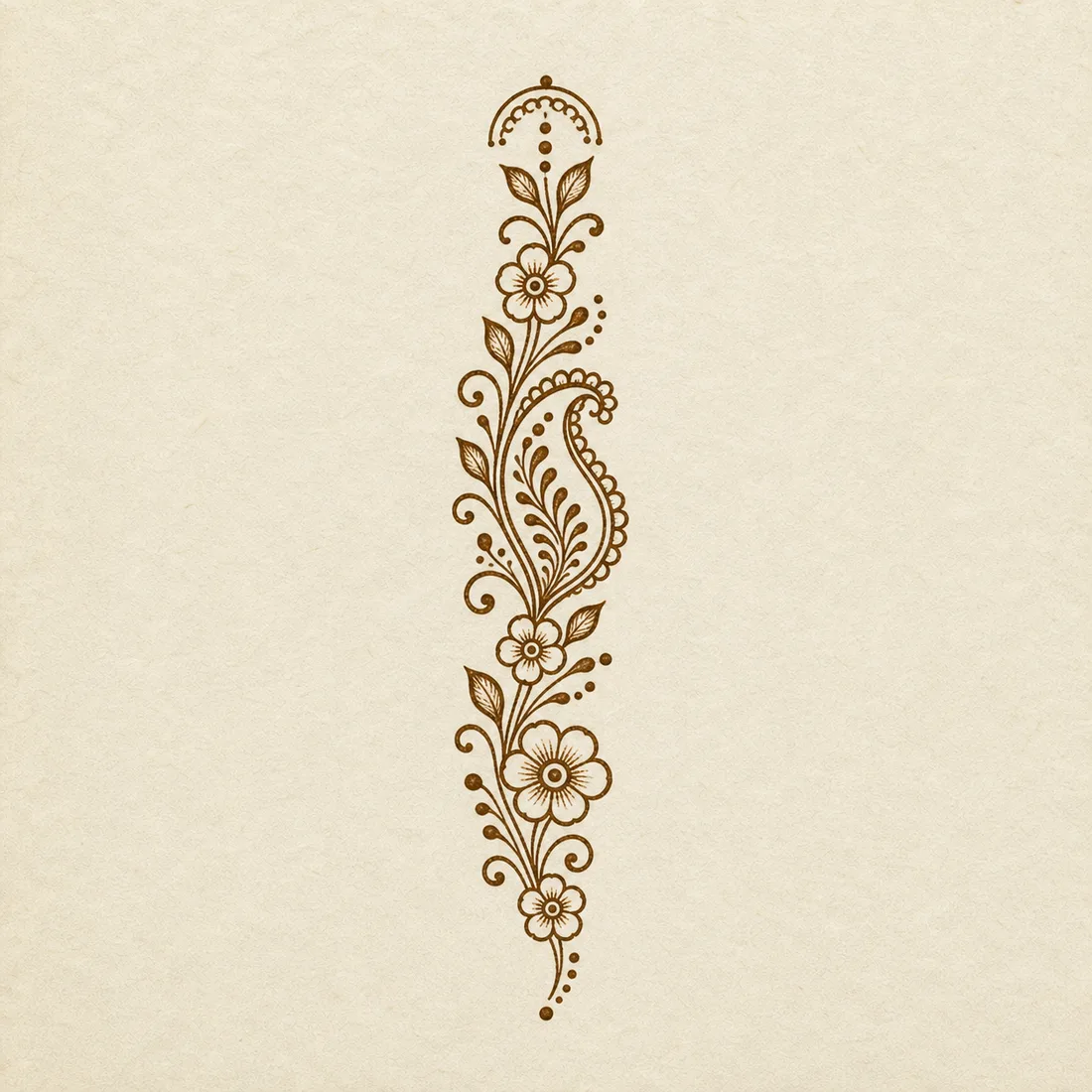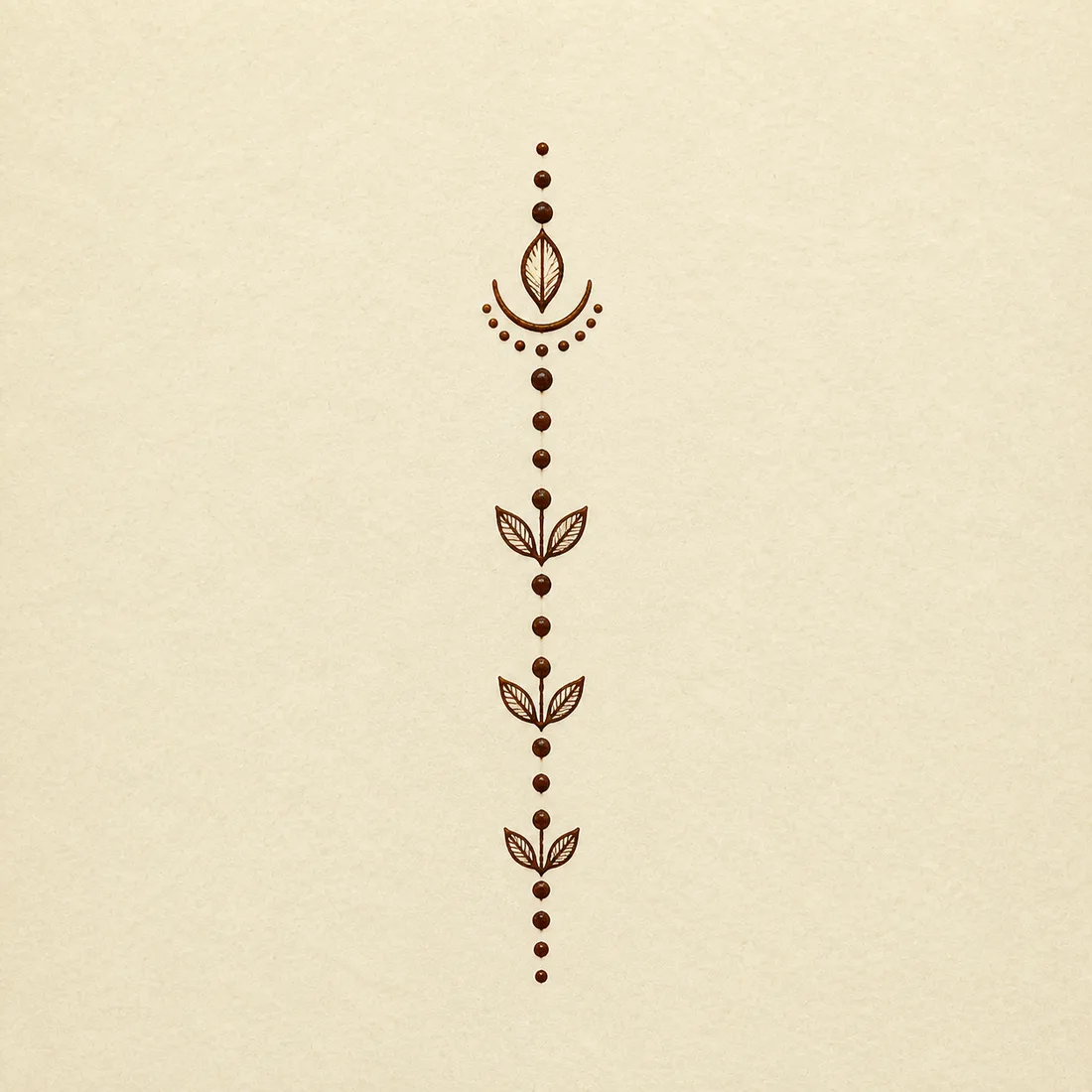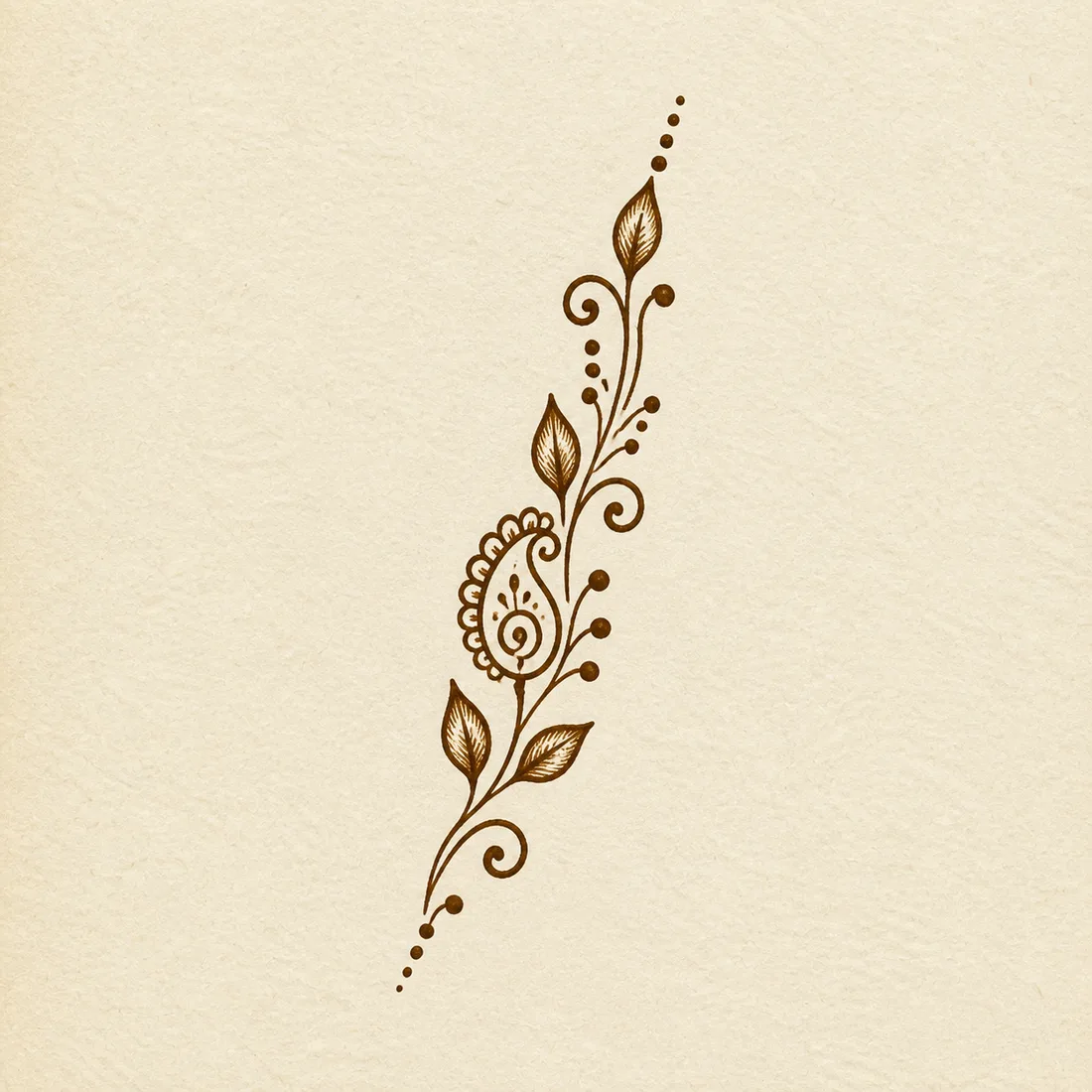
Finger mehndi works best when the pattern stays narrow, light, and repeatable. These templates focus on tiny leaves, dot trails, small flowers, and fingertip caps so beginners can practice control without filling the whole hand.

Use these designs as paper practice first, then resize them for a single finger, side finger, or a small accent next to a front-hand design.

How to choose a finger design

  • Pick dot chains when you need the fastest design.
  • Use leaf vines for slim fingers because they add length without crowding.
  • Choose ring-band patterns when you want a jewelry-like effect.
  • Keep fingertip caps small so the design still feels clean.

Practice sheet

Use this gallery as a paper practice sequence

Start with Template 01, copy the larger shapes first, then add dots, leaves, and small fills after the main linework feels steady.

Finger notes

Questions about finger mehndi

What is the easiest finger mehndi design?

A dot trail with small leaf pairs is usually the easiest because it does not require perfect symmetry or dense filling.

Can finger mehndi be used alone?

Yes. A single finger vine or ring-band pattern can work as a minimal design, especially for casual events or first practice.

How do I keep finger mehndi from looking crowded?

Use one main stem, leave gaps between motifs, and avoid filling every space with dots.